Home cameras have matured from novelty gadgets into dependable tools for protecting family, property, and peace of mind. The good news is you don’t need a thousand-dollar budget to cover your doors, driveway, or apartment hallway. For under $200, you can assemble a capable setup with solid video quality, straightforward apps, and reliable motion alerts. The challenge is setting expectations correctly. At this price, trade-offs are real, and careful choices make the difference between a system you trust and one you ignore.
I’ve installed dozens of low-cost kits for rentals, condos, and single-family homes, and I’ve lived with them long enough to know where corners get cut. If you’re considering affordable home camera systems, including DIY home surveillance, this guide sets a practical baseline for what works, what to skip, and how to avoid false alarms that train you to stop looking when you should.
What “under $200” really buys you
Under $200 can mean a single flagship camera on sale, a two-pack of midrange Wi‑Fi cams, or a basic 4-channel wired recorder with one or two included bullet cameras. The right choice depends on your layout and tolerance for wires. For small apartments or townhomes, a video doorbell paired with one indoor cam often covers the essential angles. For a driveway or backyard, one well-placed outdoor camera with decent zoom usually beats four cheap ones at bad angles.
At this price, most cameras offer 1080p or 2K resolution, color night vision with a small spotlight, two-way audio, and a mobile app with motion zones. Batteries show up in doorbells and outdoor cams, but expect recharge intervals to vary from two weeks to three months depending on traffic and temperature. If you can run power, do it. Hardwired or plug-in cameras provide steadier performance and fewer headaches in winter.
Cloud storage plans can be the hidden cost. Free tier options exist, but most brands reserve back-in-time playback beyond a day or three for subscription users. Local storage via microSD or a manufacturer hub avoids ongoing fees, though you’ll give up certain cloud-only features like person recognition or rich notifications in some ecosystems.
The sweet spot: 2K resolution, human detection, and reliable alerts
For most homeowners, the best cameras for home security in this price range hit a few must-haves. First, 2K resolution, which is usually 2560 by 1440, provides meaningful detail over 1080p without overwhelming your network. You’ll be more likely to read a license plate at the curb or identify a visitor’s face under a porch light. Second, person detection matters more than raw pixel count. Cheap cameras can drown you in false alerts from trees or headlights. Human detection narrows the noise, and some budget brands now include it without a subscription.
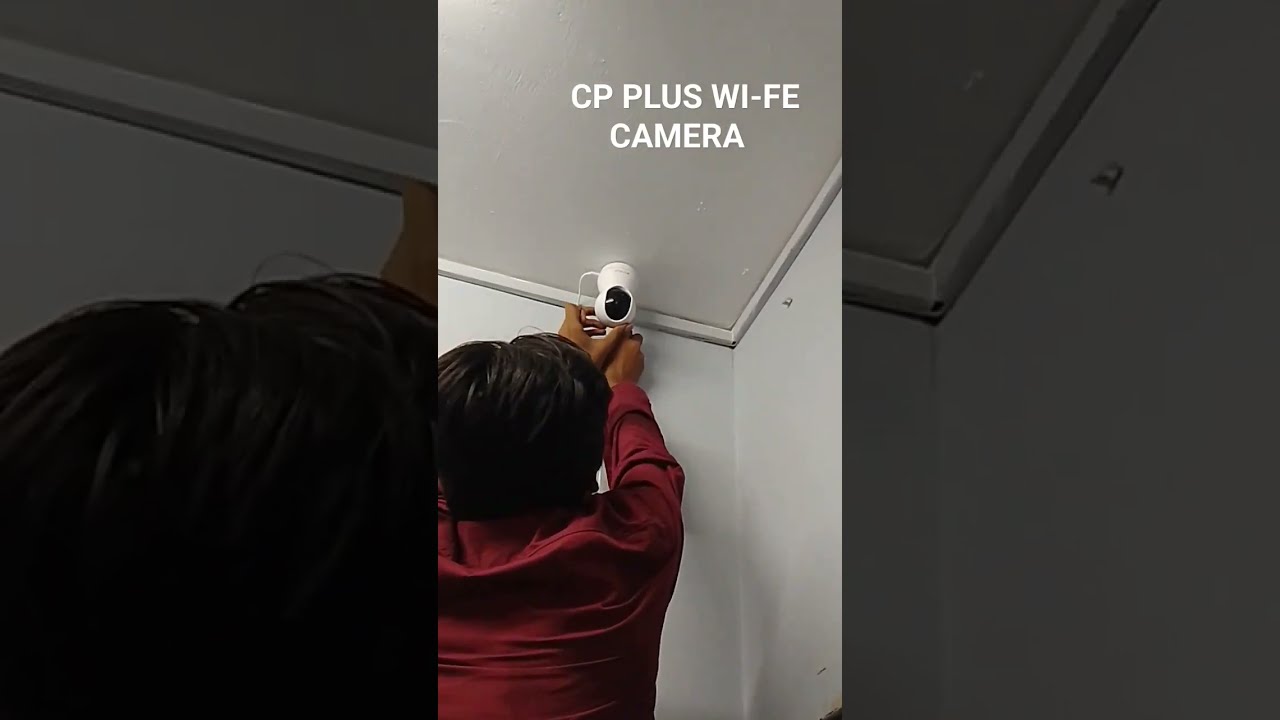
The third lever is a clean app. You should be able to set motion zones quickly, tweak sensitivity, and find a clip in seconds without digging through a timeline that feels like a slot machine. If your spouse or roommate can’t use the app, the system will fall into disuse. Reliability, not novelty, secures your home.
Video doorbells vs CCTV: which first?
If your budget can only stretch to one device, a doorbell camera often delivers the greatest value. Most burglaries start at the front door, even if just for a knock-and-see check. A doorbell camera records those encounters, deters package theft, and gives you two-way audio for deliveries. It’s the one camera most families actually use daily, not just during a scare. For Fremont residents juggling school pickups and Bay Area commutes, the convenience of answering the door remotely often wins out. That said, a doorbell alone won’t watch your side gate or backyard where intruders prefer to enter.
A traditional CCTV-style camera’s strength is coverage and durability. Fixed lens bullet or turret cams handle weather, glare, and dust better than many doorbells. They also offer stronger night performance when paired with a spotlight or porch lighting. If your packages are rarely stolen and your concern is the alley or parking pad, start with a wired outdoor camera instead of the doorbell. When budget allows, add the second piece later.
What to expect from motion detection for homes under $200
Motion detection has improved drastically, but false positives are still common with budget hardware. Wind-blown leaves, bug swarms around a porch light, or fast-moving headlights will all trigger basic motion algorithms. Person detection filters most of that, and animal or vehicle detection helps if you have a busy driveway. The key is setting motion zones intelligently. Exclude the sidewalk and street. Aim slightly downward so the camera isn’t watching the horizon or the neighbor’s yard. For porch cameras, shrink the zone so it only covers the doormat and front walk.
Expect a learning period of two to three weeks while you tune sensitivity. Start conservative, then increase in small steps. If you live near a busy street in Fremont or a similar suburb, schedule quiet hours for late-night traffic to cut pings that won’t matter. Most apps support notification scheduling without cutting off recording, so you still get clips for the morning review without the 2 a.m. chimes.
Night vision camera guide: what actually helps in the dark
Infrared-only night vision looks monochrome and loses detail across distance. It’s fine within 15 to 25 feet. Beyond that, you’ll see silhouettes rather than faces. Many affordable cameras include a small spotlight to enable color mode at night. The light doesn’t need to be bright, just enough to provide color information that helps identify clothing and vehicles. A 300 to 700 lumen porch light at https://penzu.com/p/2b8038be45521da2 the right angle often improves night clips more than upgrading the camera.
If you must cover a larger area, aim for a camera with a slightly narrower field of view so pixels concentrate where you need them. Pair it with a motion-activated floodlight and keep the angle shallow to avoid washing out the image. In poorly lit alleys, mount the camera lower than you think, around 7 to 8 feet, to keep faces within the sweet spot of the sensor. Higher mounting reduces the risk of tampering but often yields forehead-and-hat footage. Balance is the goal.
Wired vs wireless: practical differences you’ll notice
Wire-free battery cameras are simple to mount, and if you rent, they avoid drilling through walls. The drawback is battery life and lag. Cold evenings can halve battery capacity, and heavy traffic forces frequent recharges. Some models support solar trickle charging, which helps if the panel gets several hours of direct sun. Still, if you can pull a cable to a porch outlet or low-voltage transformer, plug-in cameras reduce missed events and keep alerts snappy.
Wired DVR/NVR kits under $200 exist, often with 1080p bullet cameras. These shine for continuous recording and consistent performance. The trade-off is installation effort and aesthetic impact. You’ll run Siamese cable or Ethernet to a central recorder, then forward ports or use the manufacturer’s cloud relay for remote viewing. For DIY home surveillance, a single afternoon can cover a small perimeter if you plan routes in advance. Once installed, you get footage regardless of Wi‑Fi hiccups, which matters if your router reboots during a storm.
Smart home integration with CCTV on a budget
Low-cost cameras increasingly support Google Home, Alexa, or Apple Home. Integration means voice control, quick casting to a smart display, and routines, like turning on a porch light when the camera detects a person. Expect some limitations: live view on a smart display can lag, and not all brands allow motion events to trigger third-party automations without a subscription. If routines are important to you, verify the exact features before you buy. Look for phrases like “works with Alexa” plus explicit support for motion announcements or chime integration.

HomeKit Secure Video appears on fewer budget devices, but when present it brings private recording to iCloud and tight iPhone integration. The catch is the cost of iCloud plans and the requirement for a HomePod, Apple TV, or HomePod mini as a hub. For Android households, a local microSD plus a good app is often the simpler route.
Storage trade-offs: cloud plans versus local cards
For affordable home camera systems, storage decisions can double your effective cost. Cloud plans usually range from a few dollars per month for a single camera to roughly ten to fifteen dollars monthly for multiple devices. Cloud storage simplifies clip sharing and protects footage even if someone steals the camera. The downside is recurring cost and dependence on internet uptime.
Local microSD storage avoids ongoing fees, but cards wear out over time, especially in outdoor temperature swings. Plan to replace them every 12 to 24 months. For legal or investigative use, pull clips promptly. Overwrite cycles can erase useful evidence if you wait. Some brands offer a central base or hub for local storage. These hubs are a good compromise under $200 if bundled in a sale, letting multiple cameras write to one device tucked inside your home.
Where cheap systems fail, and how to avoid it
The worst outcomes happen when a camera doesn’t capture the critical seconds. Pre-roll matters. Battery cameras often sleep to save power, then wake after motion triggers, which means you might miss the first two seconds of a clip. Look for models advertising pre-roll or buffered recording, where the video includes a short lead-in.
Poor Wi‑Fi kills reliability. If your porch is three walls away from the router, invest in a mesh node near the front of the house. A test I like: stand where you’ll mount the camera and stream HD video on your phone for ten minutes. If it stutters, the camera will too.
Beware over-wide lenses. A 160-degree view sounds great, but it compresses detail at distance. If you need to capture a driveway 30 feet away, consider a camera with a 110 to 120-degree field of view. You’ll trade edge coverage for more usable pixels on the car or person.
A practical, sub-$200 build that covers real life
Let’s say you live in a Fremont duplex with a small front porch, a narrow side path to the backyard, and a carport off the alley. With $200, prioritize the door and one problem area. Combine a wired or doorbell camera at the front with a single outdoor camera positioned over the side gate. Hardwire the doorbell if the transformer allows. If not, use a battery doorbell with a wedge kit to angle it toward the walkway instead of the street to tame false alerts. Plug the side camera into a GFCI outlet under the eaves and secure the cable with UV-rated clips.
Mount heights matter. Keep the doorbell at chest level, about 48 to 52 inches, to maximize face capture. Place the side camera at 8 to 9 feet, angled slightly down, with its motion zone narrowed to the gate area. In the app, set person-only alerts at medium sensitivity. Create a schedule that mutes notifications after midnight but keeps recording on. Spend the first week adjusting zones and exposure, especially if car headlights sweep the area.
Home burglary prevention basics that pair well with cameras
Cameras work best within a layered approach. Simple fixes often reduce risk more than adding more lenses. A tamper-resistant deadbolt strike plate, longer hinge screws, and a lock on the side gate push casual intruders to look elsewhere. Motion lighting near dark corners both helps the camera and discourages lurking. Landscaping counts too. Trim hedges near windows to remove hiding spots. For apartments, keep balcony ladders and furniture away from railings.
In Fremont and similar areas, police departments sometimes offer home security tips and free assessments. If you can, request a site walk. Officers or community volunteers will point out weak spots in minutes, many of which cost less than a camera to fix. Your camera then documents, rather than compensates for, a vulnerable door or window.
Family safety technology that doesn’t get ignored
If a system isn’t easy, it won’t be used. Pick one app that everyone in the household can manage. Share access so the person who hears an alert at 2 p.m. can check it without requesting a login. Consider a smart speaker with a screen in the kitchen for quick doorbell answers during meal prep. Teach kids how to use two-way talk responsibly. If the camera supports quick replies like “Leave the package at the door,” enable them. Small convenience features determine whether a device blends into routine or turns into a chore.
For older family members, simplify. Turn off low-value alerts like “camera disconnected” unless they’re truly necessary. Use clear names for each camera: Front Door, Side Gate, Carport, not Cam 1 or Outdoor 2. It sounds minor, but when adrenaline spikes, clarity matters.
A brief night vision reality check for apartments and condos
Many renters want to capture hallway activity without violating privacy rules. If you live in a building with strict policies, confirm whether hallway cameras are allowed. Often, doorbell cameras mounted on the unit door are permitted if they don’t face across the hall. For night vision in common areas, IR reflections from glossy hallway paint can ruin clips. A subtle, low-power porch light at the threshold or a doorbell with an integrated low-glare spotlight often helps more than turning up IR power. Always respect neighbor sightlines and avoid pointing directly into another unit.
When to step up, and when to stay frugal
If you need to identify plates at 40 feet, monitor a wide backyard, or integrate with advanced automations, a higher budget helps. A single $200 camera with a larger sensor and better optics often outperforms a pair of cheaper models. On the other hand, for a modest home where the main risks are door checks, package theft, and casual trespass, the under-$200 range gives strong coverage.
The smartest move is to start small, then expand. Get one camera working flawlessly. Learn its blind spots and tweak zones. Add the second camera once you know exactly what you’re missing. You’ll waste less money and end up with a system tailored to your routines rather than the marketing claims on the box.
Buying cues that matter more than brand hype
- Look for 2K resolution, person detection without a mandatory subscription, and flexible power options. Check that the app supports motion zones, clip downloads, and multi-user sharing. Favor models with color night vision via a small spotlight and explicit pre-roll buffering, especially for battery doorbells. Verify integration specifics if you care about smart home routines. “Works with Alexa” is not the same as supporting motion announcements or doorbell chimes on Echo devices. Read battery life claims skeptically. If a brand says 6 months, expect 1 to 3 months in a high-traffic area, shorter in cold weather. Confirm storage terms. Free cloud previews with paid full clips can be fine, but ensure local microSD recording remains available without a plan.
A quick setup checklist for first-time installers
- Test Wi‑Fi strength at the mount location. If it’s weak, add a mesh node before mounting. Mount at the right height. Chest level for doorbells, 8 to 9 feet for outdoor cams, angled to avoid the horizon. Trim motion zones to exclude streets and public sidewalks. Begin with person-only alerts. Add light, not just more cameras. A 300 to 700 lumen warm light, well-angled, improves night footage significantly. Run through a real scenario. Walk up as a delivery driver, as a visitor at night, and as someone using the side gate. Adjust sensitivity and zones after each test.
A word on privacy and data security
Budget cameras still handle sensitive video. Use unique passwords and enable two-factor authentication in the app. Keep firmware updated, which most systems do automatically if allowed. If you choose cloud storage, review retention periods and data policy. For local storage, encrypt your phone and back up important clips promptly. If you resell or give away a camera, factory reset it and delete it from your account before handing it over.
Tying it back to daily life
When a client in Fremont asked me why her porch camera never caught the person stealing packages, the root cause wasn’t the camera’s price. It was the viewing angle and a motion zone that included the street. The camera woke all night for headlight sweeps, then throttled alerts. By morning, she ignored notifications. We angled the doorbell 15 degrees, cut the motion zone to the stoop, and added a warm LED bulb above the door. The next week, the camera captured a clear clip of a package misdelivery, which solved the mystery without a confrontation. Small, informed adjustments usually beat shopping for new hardware.
Affordable home camera systems won’t turn you into a security operator, and they don’t need to. For under $200, you can watch the key entry points, get meaningful alerts, and store evidence that helps with a claim or a conversation with a neighbor. Spend your energy on placement, lighting, and app setup. Treat cloud plans and smart home integration as nice to have, not essential. If a feature adds daily convenience, keep it. If it adds friction, drop it.
The natural next step is to pick one priority camera, install it well, and live with it for a week. Your house will teach you what you need next. That’s the most reliable guide to building a system that keeps your family safe without draining your wallet or your patience.