If you’ve ever checked your phone at the airport to see whether you locked the back door, you’re not alone. Homeowners juggle a dozen details before a trip, and the mind fixates on the house the moment the boarding group gets called. I’ve built routines for clients and my own family that reduce those doubts down to trivial noise. It’s not about buying every gadget on the shelf. It’s about sequencing a few smart moves, building personal safety habits, and using tech where it actually helps.
Below is a field-tested approach to travel safety for homeowners, from pre-trip home safety checklists to neighborhood awareness, with a clear view on trade-offs. You’ll see places where insurance and security systems intersect, how to use lighting and cameras without tipping off you’re away, and ways to fold in smart parenting and security and digital safety for families without turning your vacation into a remote monitoring job.
Start with how burglars think, not how you hope
Most residential burglaries look ordinary on paper. A window that doesn’t latch well. A dog that barks but doesn’t bite. A stack of packages at the door after three days. The intruder starts with visibility and routine. If they can predict your patterns and see your house isn’t being tended, they gain confidence.
The best counter is to break predictability while keeping the house lively. That means lights on true randomness, deliveries rerouted, and landscaping trimmed so your motion lights and cameras aren’t blindsided. It also means your yard and porch don’t advertise you’re gone. The most expensive camera won’t help if your calendar publicly announces a fourteen-day trip and your living room blazes on at 6:05 pm every night like clockwork.
A method that scales from weekend to multi-week trips
Three time frames matter: a short weekend away, a typical week-long trip, and anything longer than ten days. For a weekend, you can get away with timers, locked gates, and paused deliveries. For a week, plan for neighbors, packages, indoor temperature, and a leak detection plan. For longer trips, add a caretaker routine, insurance checks, and off-site backups.
I keep the essential tasks in one place so nothing gets missed during the rush, and I assign a name to each task. If a neighbor will move bins and pull mail, confirm a date and a method to exchange keys that doesn’t involve stashing under a doormat. Many break-ins start with opportunistic finds like that.
The pre-departure sweep that catches 90 percent of issues
This isn’t the time for heroics, it’s about consistency. I walk the perimeter with fresh eyes. Are side gates latched? Are the fence slats firm? Are the address numbers visible for emergency responders? When I look in through each ground-floor window, I check what a passerby could see at night. If a television faces the street or blinds leave a gap, adjust them so inside patterns stay private.
Inside the house, water is my top concern, then fire, then intrusion. You can recover from a stolen television. A burst supply line or a smoldering dryer destroys floors and memories. I shut off the water at the street for long trips, or at least the washing machine and dishwasher feeds for shorter ones. I unplug heat-genering appliances, and I run the dishwasher before leaving to prevent mold and smells. Smoke alarms get a quick test. If you have a monitored system, verify the monitoring station has current numbers for you and a local contact.
Lighting that looks lived in, not staged
Old-school plug timers still work, but they repeat the same schedule. A better move is a smart lighting scene that varies by a few minutes each day and rotates which rooms are lit. Hall, living room, kitchen, then bedroom, in different combinations. Keep it subtle. A single lamp in a front room can make the home appear occupied from the street, while a softly lit kitchen suggests normal traffic. Avoid leaving every blind open. The goal is warmth, not a showroom.
If you don’t want to invest in whole home automation, two lamps on smart plugs do the job. Place one near the front and one deeper in the house, set on an offset schedule with randomized start windows. If your exterior sconces offer motion sensing, enable it. Motion-triggered pools of light around doors change behavior, especially when paired with a visible camera.
Cameras, doorbells, and when to hold back
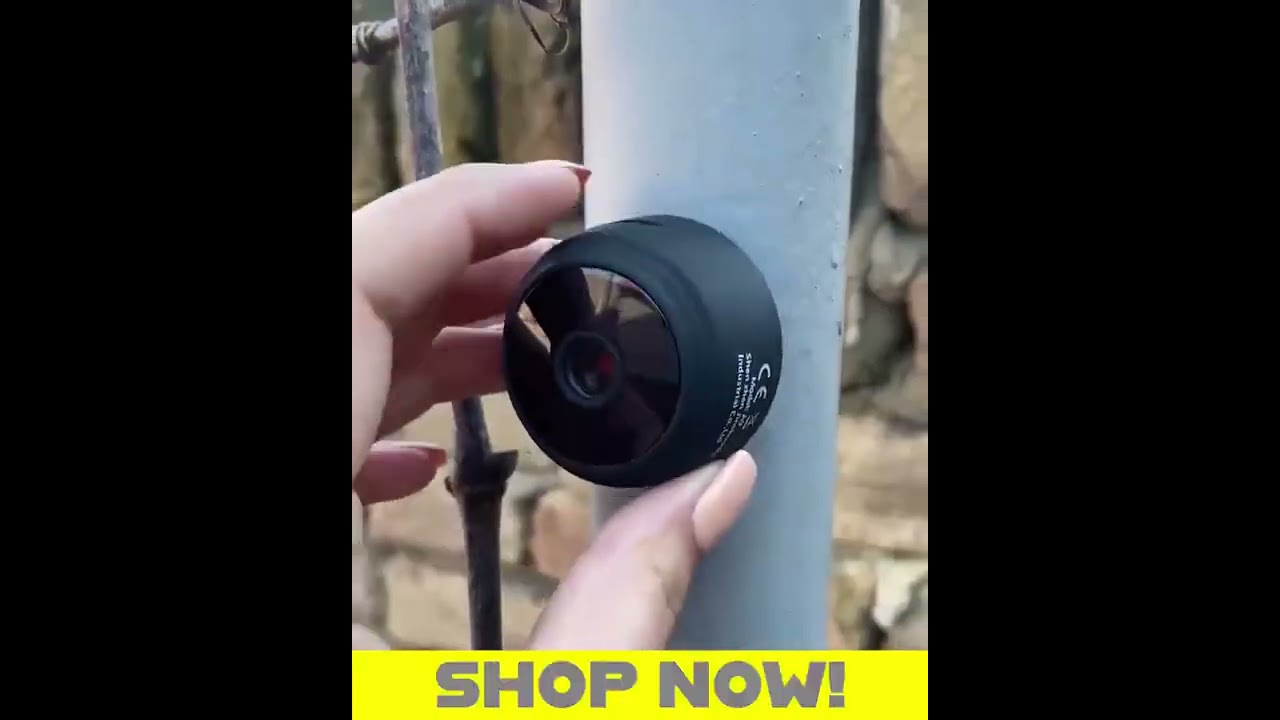
Cameras deter, but only if they’re placed thoughtfully and not oversold. I prioritize a doorbell camera, one camera covering the main approach, and another covering the yard or a side gate. Angles that capture faces matter more than wide bird’s eye shots. Update firmware before you leave and set sensible notifications. If your phone pings every time a cat walks by, you’ll tune it out. Use person-only alerts if available.
Don’t livestream your travel. Posting a countdown to the trip and daily updates from the beach can undermine every precaution. Delay posts by a day, keep geotags off, and share more privately with close friends if you like. That single change reduces risk more than adding another gadget.
Package control and the porch test
Few things announce vacancy like three boxes on the step. Use carrier holds for USPS, UPS, and FedEx. Amazon lets you group deliveries to scheduled days and redirect to lockers. If you rely on meal kits or pet supplies, change the week well ahead. I’ve seen clients set up cameras and forget to pause a subscription that then sat outside for eight days in the rain, drawing attention from the whole block.
Neighbors are still the best porch solution. Ask one to move packages and put bins away. Offer to return the favor. It turns a cold street into a place where people notice small things. That sort of neighborhood awareness is hard to buy, yet it prevents more problems than any single device.
Windows, doors, and the lock hierarchy
If your front door still uses a hollow core slab, replace it with a solid or metal-clad door well before a trip. Add a reinforced strike plate with 3 inch screws into the framing. Deadbolts that extend a full inch matter more than branding. For sliding glass doors, an adjustable bar or cut-to-fit dowel in the track adds real resistance. If your windows rely on locks from the 90s, add aftermarket pins or sash locks.
Don’t hide a spare key outdoors. Use a lockbox with a shrouded shackle, or give a key to a trusted neighbor. I’ve worked cases where thieves found keys in grill cabinets and fake rocks within minutes.
The water and power plan you’ll thank yourself for
If you’ve never seen a supply line fail, picture a pencil-thick stream of water pumping onto your floor until someone turns a valve. It’s mundane and devastating. A smart water shutoff with leak sensors, installed near the main, catches problems while you’re away. Standalone leak pucks under sinks, behind toilets, and near the water heater are cheap insurance. Pair them with text alerts, and designate a neighbor who can enter and verify.
Set your https://travisunrd496.fotosdefrases.com/cyber-safety-for-families-a-parent-s-guide-to-building-secure-online-habits thermostat to protect the house, not to save the last cent. In hot climates, keep it high but working so humidity and heat don’t warp floors or damage electronics. In winter regions, never dip below a safe range for pipes. If you have hydronic heat, leave interior doors open for circulation. Tell your caretaker what the thermostat should read and how to reset it.
Alarm systems, monitoring, and the insurance connection
Property insurance and security systems cross paths more than most people realize. Some policies discount premiums for monitored alarms, water shutoffs, and fire detection. Others require certain features if you’ve had claims. Before a long trip, read the fine print on vacancy clauses. A home left unoccupied for more than a set number of days can change coverage for certain losses. If you plan an extended absence, notify your agent. It costs nothing and avoids arguments later.

If you add a new sensor hours before you leave, test it thoroughly. False alarms at 3 am while you’re three time zones away will burn goodwill with neighbors and police, and it might trigger fines if your city bills for repeat responses. In a pinch, set the system to chime or record events instead of dispatching, then upgrade confidence when you return.
Routines that protect seniors without overcomplicating their lives
Protecting seniors with tech requires courtesy and clarity. If your parents or an older relative will be home while you travel, focus on systems that simplify, not overwhelm. Video doorbells that show a face before opening the door help. Smart locks with codes allow you to remove a caregiver code without swapping keys. If fall detection or medical alerts are part of the picture, test the cellular connectivity and battery life.
Privacy matters more in multigenerational homes. Before installing a camera indoors, ask whether it feels intrusive. I’ve seen seniors stop using living rooms because a camera faced the couch. Use sensors for doors or motion in hallways as a compromise. The goal is safety paired with dignity.
Smart parenting and security without scaring kids
If teens will stay home while you’re away, set ground rules and give them tools. Cameras inside common areas can become an arms race. A better compromise uses smart locks, door sensors, and a doorbell camera, then places responsibility on your young person. Explain why visitors are limited, the cost of a police response, and what to do in an emergency. Make sure smoke alarms are audible in bedrooms. For college-age kids, put a checklist on the fridge with names to call if something breaks.
School calendars and sports schedules leak your absence more than you think. Coach group chats, public social posts, and shared ride apps announce routine changes. Remind kids to avoid posting travel dates and live location tags. Digital safety for families starts with modeling the behavior yourself.
Urban safety innovations that actually help
City homes benefit from layered security that respects neighbors. Community safety apps can reduce blind spots. Platforms that let neighbors share verified incidents, request a porch check, or coordinate package holds work when there’s a culture of quick, factual reporting. Be careful with apps that devolve into rumor. Look for tools with moderation and ties to local departments or neighborhood associations.
In multifamily buildings, lobby access is the choke point. Ask the property manager about camera retention policies, visitor logging, and how delivery drivers gain entry. I’ve seen buildings that recorded crystal-clear footage but overwrote it every 48 hours. If you’re away for a week, that window closes before you even review events. Advocate for 10 to 14 days of retention, which fits most investigations and does not inflate costs dramatically.
What to tell trusted neighbors, and what to keep to yourself
Share dates and contact info with one or two people, not the whole street. Give them a key, an alarm code that is unique to them, and instructions. Ask them to park in your driveway once or twice. Remind them about trash day and sprinklers. If you use a house sitter, introduce them in person and text a photo to the neighbor so there’s no confusion.
Do not announce a full travel itinerary at the block party or in a public online group. Oversharing is fixable with one simple rule: describe what happened after you get back, not what will happen next week.
A measured approach to pet care
Pets complicate travel safety in predictable ways. Indoor cameras pointed at pet areas are understandable but limit their scope to confirm food, water, and movement. If a sitter holds keys, add them as a temporary user in your smart lock and give them a unique code. Ask for a brief text after visits with a photo of the pet. It creates a verifiable timeline that doubles as a wellness check on your home.
If your pet triggers motion sensors, set pet-immune settings and test them thoroughly before you leave. I’ve seen one stray balloon floating into a sensor in the living room trigger a cascade of alarms. Take down party decorations and tie off any blinds cords where cats like to play.
Digital hygiene that closes the back door
Every trip includes tech. Laptops, tablets, and cameras go along, and the house retains devices that keep working. Start with Wi-Fi. Change default router passwords, disable remote management unless you need it, and update firmware. If you use smart plugs and cameras from different brands, lock down each app with multifactor authentication. A surprising number of breaches happen through shared accounts where a former roommate or sitter still has access.
On the road, avoid signing into sensitive accounts on hotel or public computers. Don’t leave garage door openers in a visible car at the airport. If someone breaks into your car, a labeled opener plus registration papers equals an address and an entry tool. Tuck the opener out of sight, or carry a compact unit on your keyring instead.
Insurance documents, photos, and what to store off-site
Before an extended trip, walk your home with your phone and record a slow video of each room. Open drawers and closets briefly. Email the video to yourself or save it to cloud storage. That single action speeds any future claim and helps memory under stress. Photograph serial numbers of high-value items. If you added jewelry or collectibles recently, check whether your policy schedules them or whether they fall under a lower sublimit.
Keep your agent’s number, a claims number, and your policy number in your phone and in a paper folder in your carry-on. If a storm or break-in happens while you’re away, you want to call fast, assign a local contact, and start mitigation. Insurers appreciate proactive steps like tarping, board-up, or water extraction initiated within hours. Line up a reputable vendor list ahead of time to avoid scrambling during an event.
When to hire a house sitter or caretaker
If you travel frequently or leave for more than ten days, a house sitter often costs less than the risk of undetected problems. Even a 15 minute visit every other day changes the equation. Live-in sitters add companionship for pets and create real occupancy. Vet them like you would a contractor. Ask for references, run a basic check, and look for someone with repeat clients. Spell out rules around guests, thermostat, mail, and emergencies in writing.
For seasonal homes, consider a caretaker service that conducts weekly walkthroughs and checks mechanical rooms, exterior drainage, and the roofline after storms. If something is wrong, they can coordinate with vendors and document the issue for insurance.
Two quick lists you can print and tape to the inside of a cabinet
- Front-of-mind pre-trip checks: pause deliveries, set smart lighting with variance, verify door and window locks, test smoke/CO alarms, confirm neighbors and codes, shut off water feeds or whole home if gone more than a week, set thermostat safely, stage trash and recycling plan, photograph rooms for records. Digital and admin essentials: enable multifactor on security apps, update camera and router firmware, remove old users from smart locks and apps, store key documents in the cloud, carry a paper contact sheet, disable geotags on social posts, label and secure garage clickers, check insurance vacancy language if away longer than the policy threshold.
A short case study that illustrates the domino effect
A client left for nine days. They set a fixed lamp timer, forgot about the side gate, and didn’t pause a weekly pet supply. On day five, two boxes stacked up. On day six, wind blew the side gate open. A passerby noticed the lamp flick on right at 6 pm like a clock and the open gate. Their doorbell camera captured a person testing the handle but didn’t trigger a person alert because the zone was misaligned. On day seven, a friend doing a quick check saw the problem, secured the gate, moved packages, and adjusted the alert zone. Nothing happened, but each miss stacked risk.
We tweaked three things afterward. Randomized lighting, a proper gate latch with spring tension, and delivery holds. No new expensive gear. Just better settings, a stronger habit, and one neighbor with a key.
Community-level tools that support your plan
Neighborhood watch can be formal or informal, but it works best with two ingredients: timely, factual reporting and useful tools. Community safety apps that let residents flag real incidents, post camera stills to a secure group, and coordinate with local officers add value. Avoid platforms that reward fear or gossip. They create noise that distracts from real patterns. If your area has a community camera registry with the police, consider registering your exterior cameras. It doesn’t stream live, it only lets investigators know whom to ask if an incident occurs.
Local crime data can help you right-size your response. Ask your precinct for seasonal trends. Some blocks see more theft from vehicles around holidays, others see day-time knock-and-entries when people are at work. Adjust your lighting and camera coverage accordingly.
What to do the minute you return
Don’t drop your bag and open the mail pile. Walk the house first. Look for signs of forced entry, water stains, or tripped breakers. Run water at low volume at a sink and listen for hissing that suggests a leak. Glance at your cameras for missed alerts, then clear old notifications. Resume normal delivery schedules. If a device misbehaved while you were away, fix it while the memory is fresh. Add a note to your checklist about what worked and what felt like busywork.
If a neighbor helped, write a thank-you card and return the favor next time. Reciprocity might be the most underrated security system on any block.
A sensible way to measure if you overdid it
If your trip felt like a part-time job of app checks, scale back. Aim for two quick remote checks per day: morning and evening local time. If you never used a device or setting in two trips, remove it or simplify. Effective home security during travel reduces your cognitive load. The right mix feels like quiet confidence, not a surveillance assignment.
Final word on balance
Travel safety for homeowners is a layered craft. Personal safety habits set the foundation, neighborhood awareness gives you eyes and ears, and selective tech fills gaps without taking over your life. Keep your routines human. Use community safety apps where they help, not out of fear. Align property insurance and security systems so the paperwork matches reality. Help seniors and kids feel safe without turning the home into a control room. Pack the car, lock up with intention, and let your house breathe comfortably while you’re gone. When your plane lifts, your mind should lift with it.